“BBL is the most dangerous procedure one can undergo.” This is a statement many have heard. For a period, serious complications were reported internationally, which created concern around the Brazilian Butt Lift. But what is rarely explained is that the risks were related to how the operation was performed – not to the procedure itself.
Today, the safety situation looks different.
Why was BBL considered dangerous in the past?
Historically, the most serious complications arose when fat was injected too deeply, into the gluteal muscle where larger blood vessels are located. In rare cases, this could lead to fat embolism, a potentially life-threatening complication. The issue was not the transfer of fat itself, but the lack of visual control over where the fat was placed. The technique relied largely on experience and feel, without direct visualization of the tissue plane.
When this was recognized, extensive international safety reforms were implemented and the guidelines were updated.
How safe is BBL today?
A modern BBL is based on clear and well-established safety principles. Fat should always be placed in the subcutaneous fat layer above the muscle, where it is intended to lie according to today’s international recommendations. The surgeon must have full control over the injection plane throughout the procedure, which practically means using ultrasound guidance for real-time visualization. The procedure should also be performed by an experienced plastic surgeon, and the patient must be medically suitable for the operation after a thorough assessment.
When these principles are followed, the risk profile changes significantly. With the correct technique, modern equipment, and structured medical supervision, BBL today is a very safe surgical procedure.
Ultrasound-guided BBL – the most important safety factor
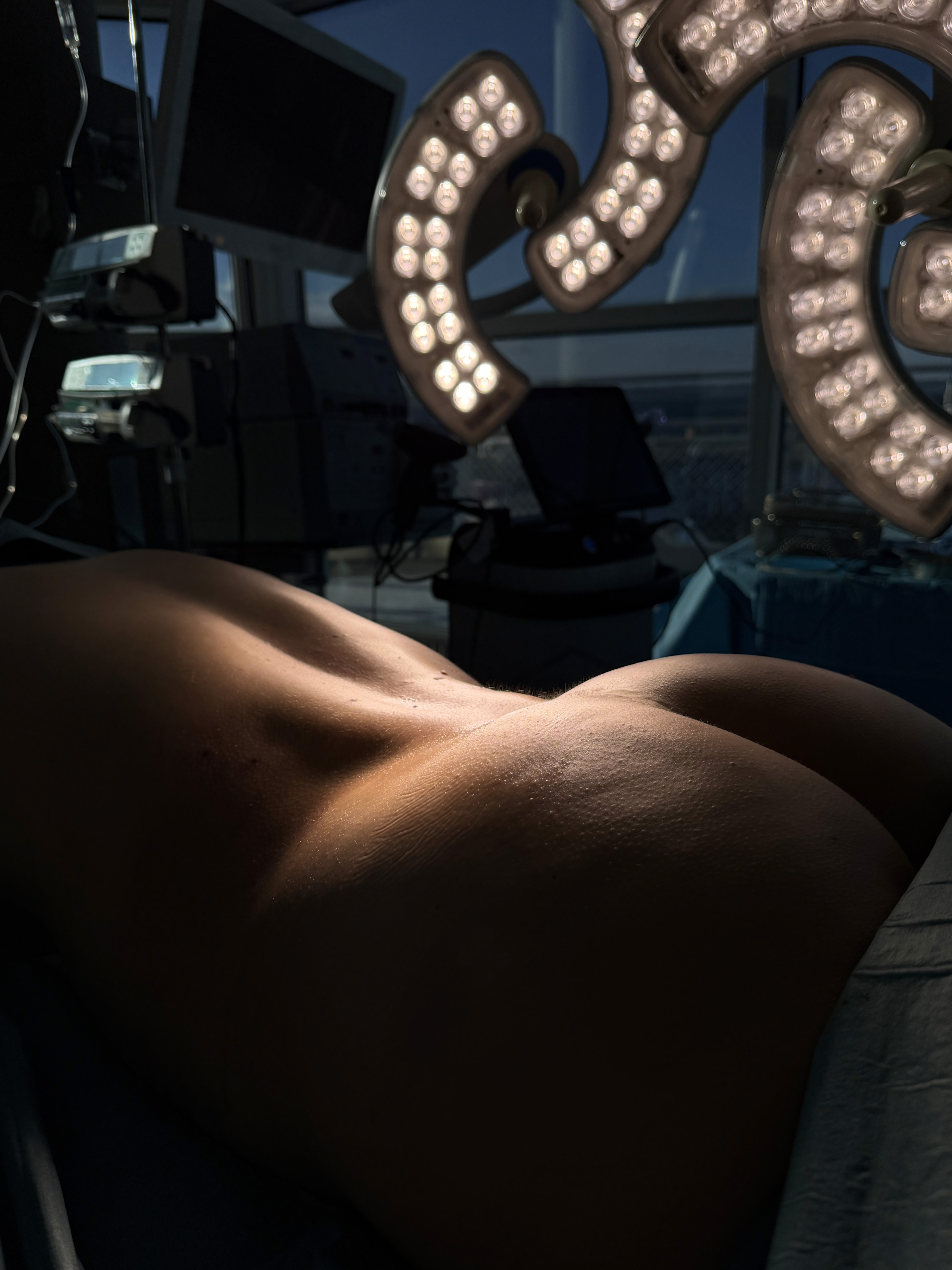
The single most significant change in BBL safety is the use of ultrasound during fat transplantation. With ultrasound, the surgeon can see in real time exactly where the tip of the cannula is located and ensure that fat is only placed in the correct tissue plane.
This means that placement is not based on estimation but on visual confirmation. Ultrasound has thus become a crucial part of what is today regarded as a modern and safe BBL.
At Molding, we always use ultrasound guidance during BBL. For us, it is a standard safety measure and not an option.
Risks of BBL
Just like any surgery, there are potential risks. The most common complications are the same as those with other plastic surgeries and can include bleeding, infection, fluid accumulation, asymmetry, or absorption of some of the transplanted fat by the body. Serious complications are rare when the procedure is performed according to modern safety protocols with ultrasound guidance and correct technique.
It is important to distinguish between older statistics and today’s surgical standards.
Safe BBL in Sweden – what determines safety?
A safe BBL in Sweden involves the combination of the right patient, the right surgeon, and the right technique. Careful medical review before surgery, continuous monitoring during anesthesia, and clear aftercare routines are all parts of the safety chain.
But the technical core is clear: ultrasound-guided fat transplantation is today a central part of a safe BBL.
Conclusion – is BBL dangerous?
Historically, BBL has had a higher complication rate than some other aesthetic procedures, which gave rise to justified concern. But the technique has evolved. With modern guidelines, real-time visualization using ultrasound, and experienced surgery, BBL today is a controlled and considered procedure.
What determines safety is not the name of the operation itself – but how it is performed.