Before an operation, it is natural to wonder which tests need to be taken and how the preparations proceed. Many believe that extensive testing is always necessary, but in Sweden, the routines look different – especially for healthy individuals without underlying diseases.
Both in public healthcare and at private clinics, the goal is to make a safe yet individualized assessment, where unnecessary tests are avoided.
Individual assessment starts at the consultation
The most important part of the preparations for a plastic surgical operation is the consultation with your surgeon. There, you go through your medical history, previous surgeries, any diseases, medications, and lifestyle factors that may affect safety.
If your health history shows anything that requires further investigation, the surgeon may recommend more tests. This may be relevant if you:
have a known disease
are taking certain medications
have previously undergone, for example, gastric bypass or another major surgery
have symptoms that need further investigation
The goal is always to create the best possible safety based on your individual circumstances.
Tests before major plastic surgical procedures
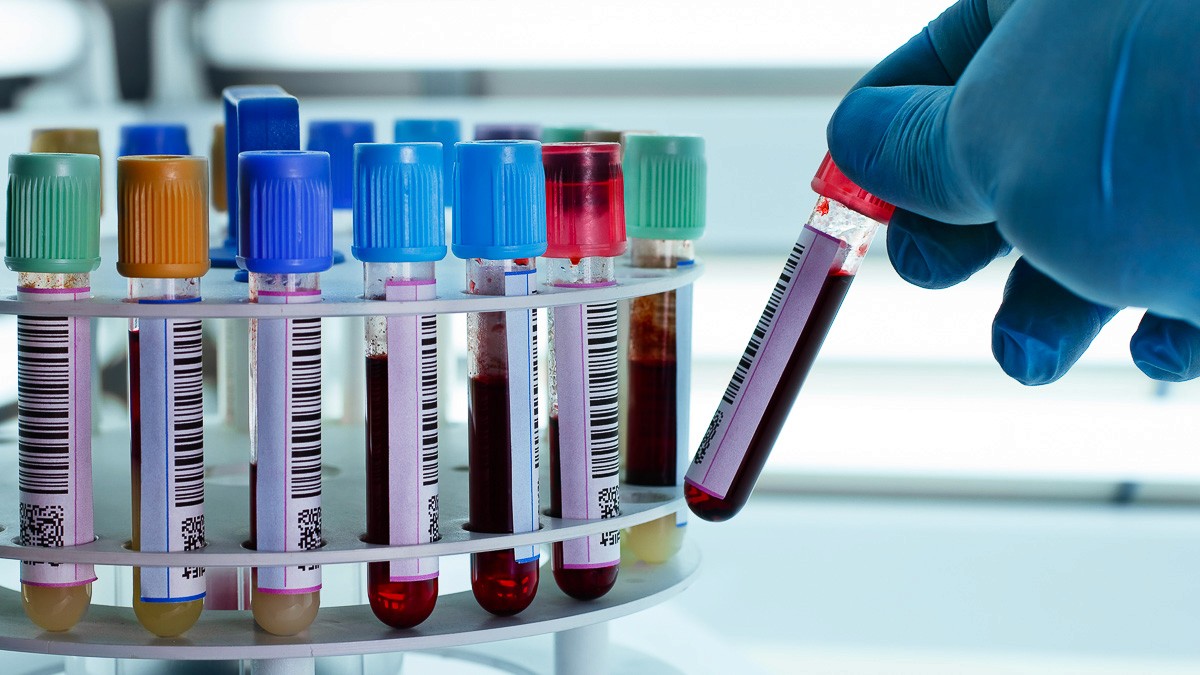
Before major surgeries, such as extensive liposuction, tummy tuck, or mommy makeover, we always take hemoglobin levels (Hb).
Hb shows the amount of red blood cells in the blood and provides an indication of the body's oxygen transport capacity. This is important to ensure that you have sufficient reserves before the operation and to reduce the risk of complications related to blood loss.
In addition to Hb, blood pressure is also checked as part of the medical assessment.
Why are not more standard tests taken?
In healthy patients without risk factors, research shows that extensive routine tests rarely provide extra safety. Therefore, in Sweden, the principle is to adapt testing to the individual instead of taking the same tests on everyone.
This represents a more modern and evidence-based approach where the focus is on the right examination for the right patient.
Monitoring during surgery
When you are under anesthesia, the body is continuously monitored by anesthesia personnel. Throughout the surgery, you are connected to medical monitoring, including EKG, which tracks heart activity in real-time. Other vital parameters are also monitored to ensure maximum safety during anesthesia.
Safety through proper preparations
In plastic surgery, safety is not about taking as many tests as possible, but about making the right assessment for each individual. Through a careful review of your health history, targeted testing, and modern monitoring during surgery, a safe and secure process is created – from consultation to recovery.